SuZhou Kolymo Precison Machinery Co.,Ltd.
သတင်း
ထုတ်ကုန်များ

တိကျမှုမြင့်မားသော မော်တော်ကားလုပ်ငန်းနှင့် အရည်အအေးပေးသည့်ခေတ်- သန့်ရှင်းမှုစံနှုန်းများကို အဓိကအဆင့်မြှင့်တင်ခြင်းသည် ISO 16232 (2028) ၏ ပြန်လည်ပြင်ဆင်မှုကို အရှိန်မြှင့်ပေးသည်

အဆင့်မြင့်နှင့် ဉာဏ်ရည်ထက်မြက်သော ဖွံ့ဖြိုးတိုးတက်မှုဆီသို့ မော်တော်ကားလုပ်ငန်းကို အဆင့်မြှင့်တင်ခြင်းနှင့် မြင့်မားသောတိကျမှုနှင့် မြင့်မားသောယုံကြည်စိတ်ချရမှုတို့၌ အောင်မြင်မှုများရရှိသည့် အရည်အအေးပေးစနစ်များ၊ တိကျသောအစိတ်အပိုင်းများ၏ သန့်ရှင်းမှုထိန်းချုပ်မှုသည် ပြီးပြည့်စုံသောစက်စနစ်များ၏ တည်ငြိမ်သောလည်ပတ်မှုနှင့် ဝန်ဆောင်မှုသက်တမ်းကို သက်တမ်းတိုးစေရေးအတွက် အဓိကသော့ချက်ဖြစ်လာသည်။ နောက်ထပ်နိမ့်ကျသော VDA 19.1 (2026) အသစ်၏တရားဝင်အကောင်အထည်ဖော်မှုနောက်တွင်သန့်ရှင်းမှုကို ဖော်ထုတ်ခြင်း။ threshold to 5 micrometers, the global international standard system for automotive component cleanliness is undergoing an unprecedented historic overhaul, with industry supervision thresholds and technical requirements raised across the board.

As the globally recognized authoritative guideline for automotive component cleanliness, the latest revision of ISO 16232 is steadily moving forward. Notably, the Standardization Administration of China (SAC) has taken in-depth participation in this international standard revision, integrating China’s industrial practical experience into international standard formulation, demonstrating China’s industrial influence in the global cleanliness sector.


I. Latest Progress of New Standards: Entered Working Draft 2 (WD2) Stage


Currently, the revision of ISO 16232 has smoothly advanced to the WD2 stage. In line with industrial progress rhythm, the fully revised version is expected to be officially released and implemented worldwide in 2028, catering to the high-precision development demands of the global automotive and liquid cooling industries.

1.In-depth Participation of Chinese Experts to Inject Domestic Industrial InsightsMr. Wang Lei, General Manager of JOMESA China, currently represents SAC to fully engage in the entire revision process of ISO 16232. As one of China’s core representatives participating in the formulation of နိုင်ငံတကာ သန့်ရှင်းမှုစံနှုန်း, he promotes the integration of Chinese industrial voices into international regulations.

2.Core Industrial Significance: Build a Bridge for Alignment Between Chinese and Foreign StandardsThe in-depth involvement of Chinese experts in international standard setting not only brings massive real working condition data, mass production application experience and technological achievements accumulated by China in new energy vehicles and liquid cooling systems to the global arena, filling the gaps of relevant application scenarios in international standards, but also enables domestic supply chain enterprises to adapt to new international regulations ကြိုတင်ပြီး ထုတ်လုပ်မှုနှင့် စစ်ဆေးရေးစနစ်များကို အကောင်းဆုံးဖြစ်အောင် လုပ်ဆောင်ပါ။ ၎င်းသည် ပြည်တွင်းစီးပွားရေးလုပ်ငန်းများအား ပြည်ပမှလိုက်နာမှုကုန်ကျစရိတ်များကို လျှော့ချရန်နှင့် ကမ္ဘာ့စျေးကွက်ယှဉ်ပြိုင်နိုင်စွမ်းကို မြှင့်တင်ရန် ကူညီပေးသည်။

II Synchronized Evolution of Standards: Homologous Technology and Ordered Iteration


ကမ္ဘာလုံးဆိုင်ရာ မော်တော်ကား သန့်ရှင်းမှု စံနှုန်းများ ဆင့်ကဲပြောင်းလဲလာခြင်းသည် ထူးခြားသော စက်မှုလုပ်ငန်းဆိုင်ရာ စည်းမျဉ်းများအတိုင်း ဖြစ်သည်။ Led by top international research institutions including Germany’s Fraunhofer Institute in technological research and achievement output, Germany first issued VDA 19.1 to set regional industrial benchmarks. Its core technical logic and detection specifications were then gradually transformed into the universal international standard ISO 16232, realizing the coordination and unification of regional and international standards.

Throughout the standard iteration process, JOMESA has always served as a core technical participant, deeply engaging in standard drafting and improvement, providing solid support for the standardization and normalization of global cleanliness detection technologies.

Core Technical Contributions of the German Team


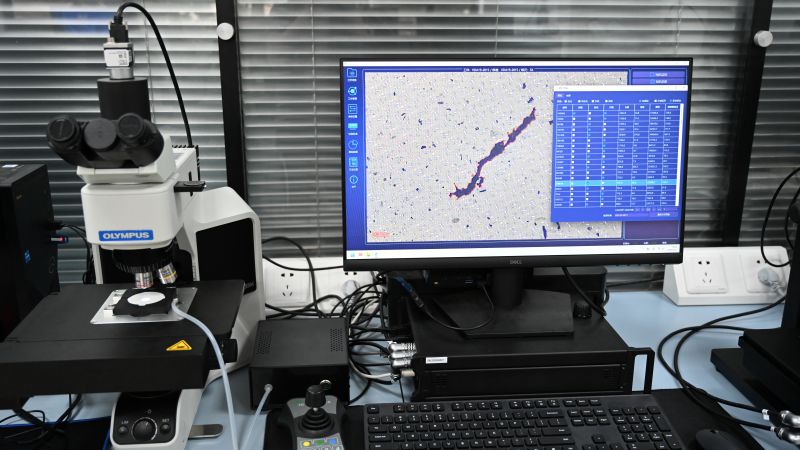
During the revision of three consecutive versions of VDA 19.1, the core content of Chapter Eight Optical Analysis was fully drafted by JOMESA German technical team. It defines quantitative criteria and operating specifications for microscopic image processing and particle size measurement, sets technical benchmarks for global optical cleanliness detection, and boosts both detection accuracy and efficiency.


III Technical Linkage: Coordinated Upgrade from VDA 19.1 to ISO 16232


As a universal international standard, ISO 16232 is closely rooted in Germany’s VDA 19.1 cleanliness standard, with highly consistent technical logic, detection concepts and synchronous iteration progress. With the official launch of VDA 19.1 (2026) that lowers the detection limit to 5 micrometers, the new ISO 16232 is expected to further unify particle classification criteria, component analysis methods and automatic detection specifications at the 5-micrometer level.

It achieves precise alignment between international standards and regional benchmark norms, provides more unified and accurate cleanliness management basis for global automotive and liquid cooling component manufacturers, and drives a qualitative leap in the overall cleanliness level of the whole industry.


ဆက်စပ်သတင်း
ငါ့ကို မက်ဆေ့ချ် ထားခဲ့ပါ။
သတင်းအကြံပြုချက်များ
X
သင့်အား ပိုမိုကောင်းမွန်သောကြည့်ရှုမှုအတွေ့အကြုံကို ပေးဆောင်ရန်၊ ဆိုက်အသွားအလာကို ပိုင်းခြားစိတ်ဖြာပြီး အကြောင်းအရာကို ပုဂ္ဂိုလ်ရေးသီးသန့်ပြုလုပ်ရန် ကျွန်ုပ်တို့သည် ကွတ်ကီးများကို အသုံးပြုပါသည်။ ဤဆိုက်ကိုအသုံးပြုခြင်းဖြင့် ကျွန်ုပ်တို့၏ cookies အသုံးပြုမှုကို သင်သဘောတူပါသည်။ကိုယ်ရေးအချက်အလက်မူဝါဒ